Methods · · 2 min read
Build a map to connect ideas in a course
A restrained method for turning a dense chapter into a structure you can navigate, explain, and correct.
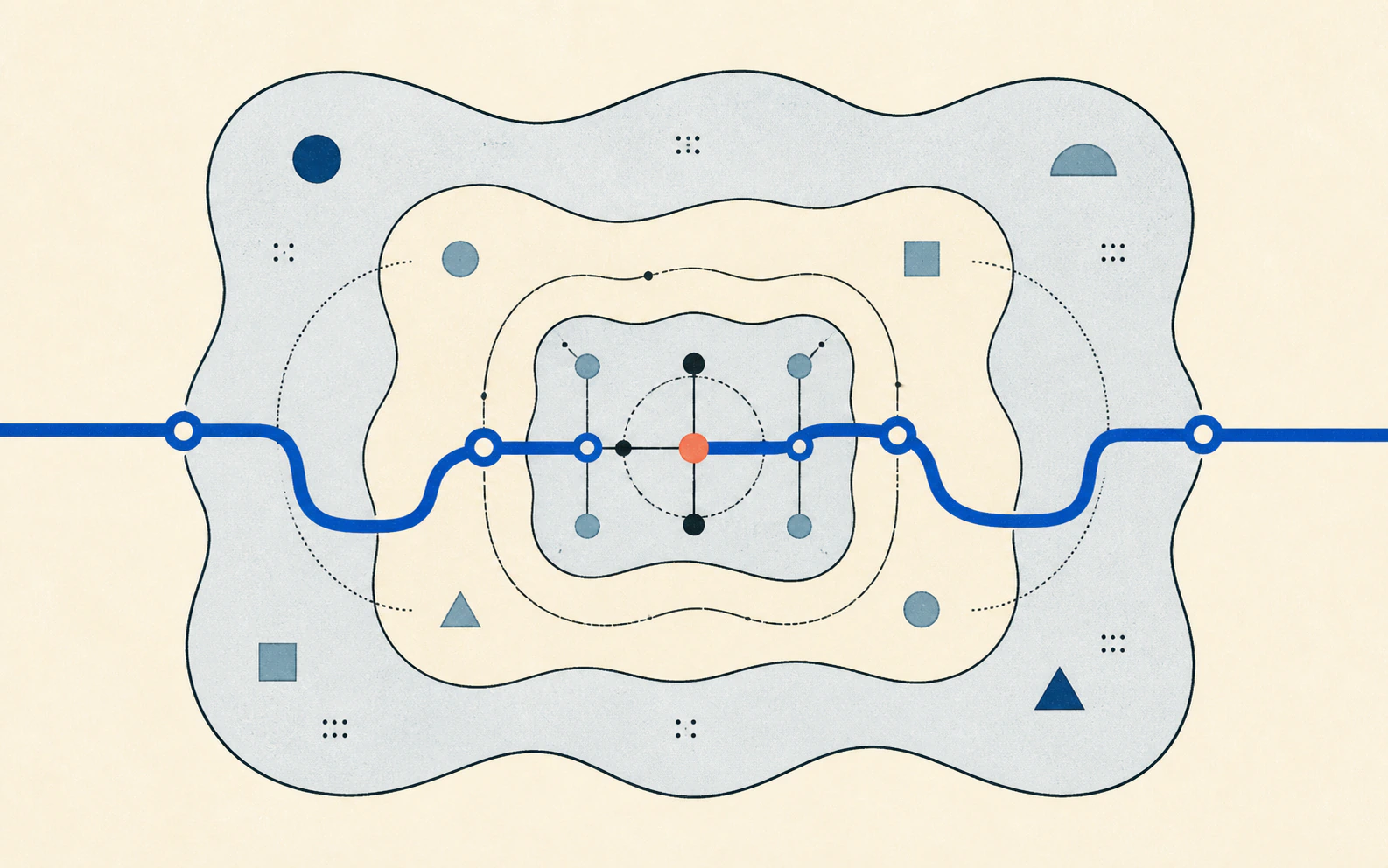
A course becomes difficult to retain when its ideas arrive as a flat sequence. A useful map does not summarize everything: it shows what depends on what, what contrasts, and what deserves a separate explanation.
Begin with a question
“What is in this chapter?” often produces an inventory. “How does this system maintain balance?” forces you to look for mechanisms, conditions, and consequences. The question gives the map a direction.
Make connections meaningful
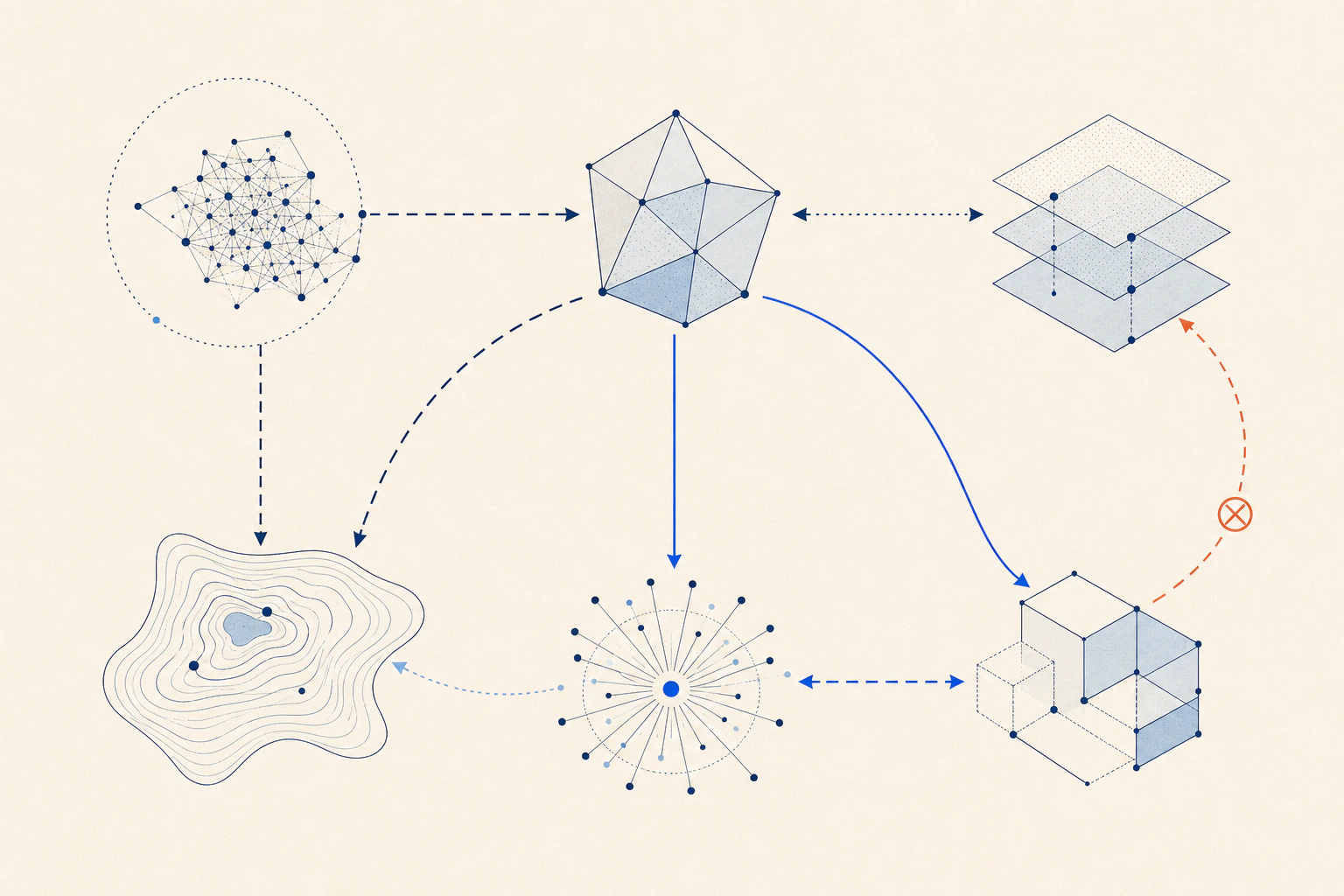
Two concepts joined by a plain line remain ambiguous. Writing “causes,” “limits,” “depends on,” or “is measured by” turns the line into a claim you can check.
Use effort as the test
Close the source and rebuild the map from memory. Hesitations are useful evidence: they expose fragile relationships. Correct them with another color or in a second version instead of turning the first map into an unreadable poster.
References
- Karpicke, J. D., & Blunt, J. R. (2011). Retrieval practice produces more learning than elaborative studying with concept mapping. Science, 331(6018), 772–775. DOI
- Novak, J. D., & Cañas, A. J. (2008). The Theory Underlying Concept Maps and How to Construct and Use Them. IHMC.